
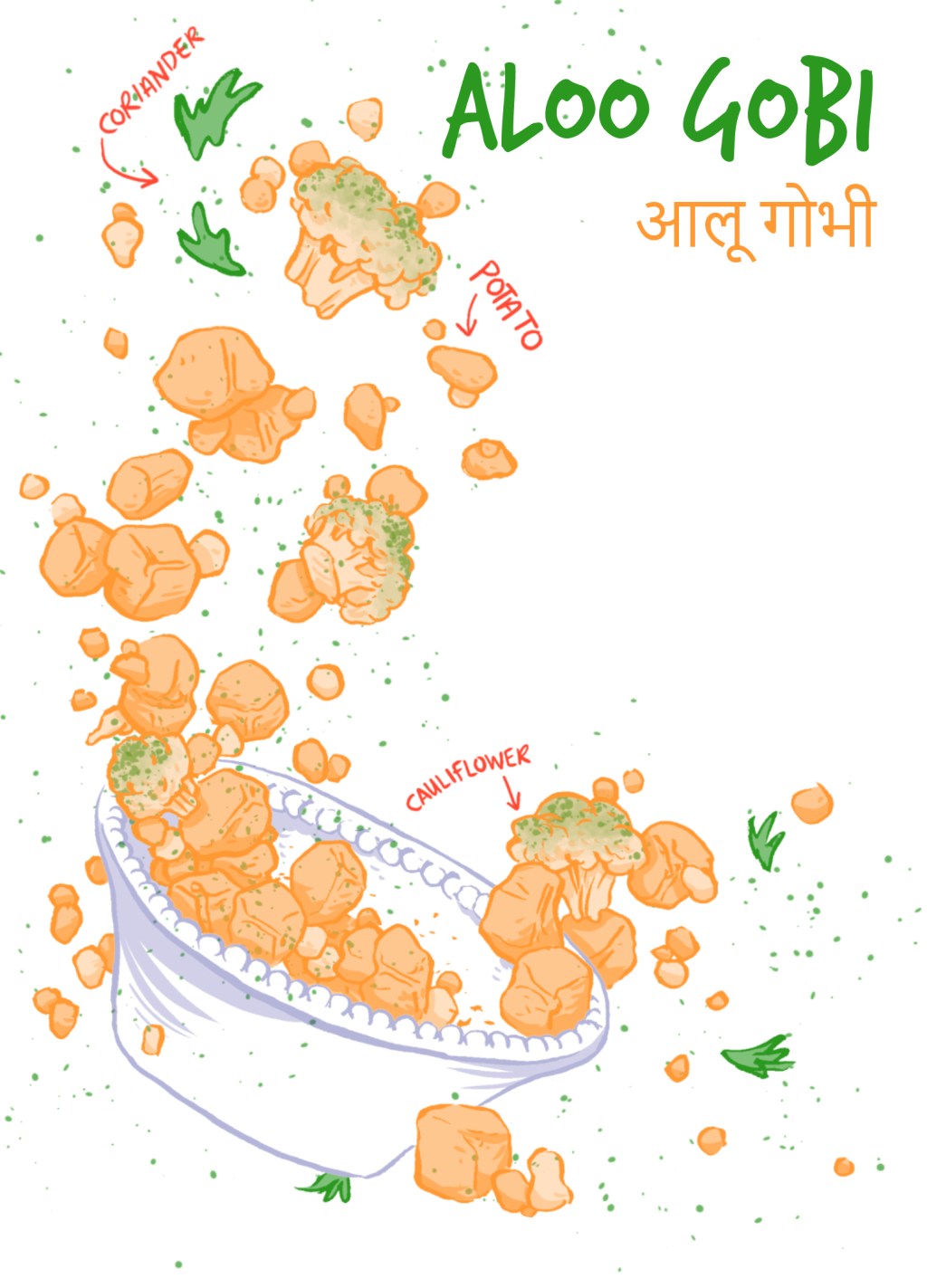
Aloo Gobi, a classic vegetarian dish from the Indian subcontinent, is a culinary masterpiece that perfectly balances simplicity and flavour. The name itself reveals the two key ingredients: “Aloo” means potatoes, and “Gobi” refers to cauliflower. This hearty and comforting dish has a rich history deeply rooted in the culinary traditions of the region, and its popularity has transcended borders to win the hearts of food enthusiasts worldwide.
To create the mouthwatering symphony that is Aloo Gobi, skilled chefs and home cooks begin with fresh and vibrant ingredients. Potatoes are peeled and diced into bite-sized pieces, while the cauliflower is separated into florets. These vegetables form the heart of the dish, but it is the skillful use of spices and herbs that elevates it to greatness. A blend of fragrant spices, such as cumin seeds, turmeric, coriander, and garam masala, is carefully measured and combined to create the quintessential Aloo Gobi spice mix.
The cooking process begins with heating oil or ghee in a large, sturdy pan. As the oil shimmers and reaches the right temperature, the cumin seeds are added, infusing the kitchen with their distinct aroma. The diced potatoes follow suit, sizzling as they hit the hot oil, releasing a delightful fragrance. The potatoes are gently cooked until they develop a golden hue, acquiring a crisp exterior while remaining soft and tender inside.
Next comes the star of the dish – the cauliflower florets. They join the pan with the potatoes, and the two ingredients begin to dance together, absorbing the flavours of the aromatic spices. Turmeric lends its vibrant yellow hue, while coriander adds a mild citrusy undertone. The garam masala, a blend of warming spices, infuses the mixture with a captivating aroma, drawing hungry onlookers into the kitchen.
Throughout the cooking process, a skilled hand is required to gently stir and toss the ingredients, ensuring even distribution of the flavours and preventing any mishaps. A pinch of salt is added to enhance the taste, and perhaps a hint of chili powder for those who prefer a touch of heat.
To elevate Aloo Gobi to new heights, some variations include the addition of tomatoes, green peas, or green chilies, further enhancing the flavour profile and introducing subtle nuances to the dish. While traditional Aloo Gobi remains simple and delightful, these variations showcase the creativity and versatility of Indian cuisine.
As the vegetables simmer and the spices meld together, the kitchen is enveloped in a fragrant embrace. Aloo Gobi is a feast for the senses, enticing anyone within its vicinity with its irresistible aroma. The anticipation builds as the dish nears completion, and the final touch is added – a sprinkling of freshly chopped cilantro, infusing the dish with a burst of freshness.
Aloo Gobi is often served with steamed rice or a variety of Indian bread, such as roti or naan. The combination of the soft, succulent potatoes and cauliflower with the fluffy rice or the slightly charred naan creates a harmonious and satisfying meal that leaves taste buds craving for more.
Beyond its taste, Aloo Gobi has a special place in the hearts of many. It is a nostalgic dish that evokes memories of family gatherings, cherished moments spent around the dining table, and the love and care of those who prepare it. It is a testament to the art of Indian cooking, where simple ingredients are transformed into culinary delights through the mastery of spices and techniques.
In conclusion, Aloo Gobi is a culinary gem that embodies the essence of Indian cuisine – a harmonious blend of spices, vegetables, and love. Its humble origins and unforgettable taste have made it a beloved dish, not only in the Indian subcontinent but across the globe. Whether enjoyed in the comfort of one’s home or savoured in a traditional Indian restaurant, Aloo Gobi continues to captivate food enthusiasts with its exquisite flavours and heartwarming appeal.
To learn more about Aloo Gobi and other delicious Indian foods then you can read all about them in my Indian Floaty Food Guide here
 Nathan Hillustration