
In the charming realm of Dutch street food, kibbeling stands as a beloved culinary delight that has captured the hearts and palates of locals and visitors alike. This crispy and flavourful dish, originating from the Netherlands, is a testament to the Dutch love affair with fresh seafood and their penchant for transforming simple ingredients into gastronomic treasures.
Kibbeling’s roots can be traced to the Dutch fishing villages along the North Sea coast. Traditionally, it was a way for fishermen to make use of small offcuts or bycatch that weren’t suitable for sale as fillets. The term “kibbeling” itself is believed to be derived from the Dutch word “kabeljauw,” meaning cod.
Over time, what began as a thrifty use of surplus fish evolved into a beloved street food item, making its way from the coastal villages to the bustling city markets and beyond. Today, kibbeling is a staple at fish stands and seafood stalls across the Netherlands.
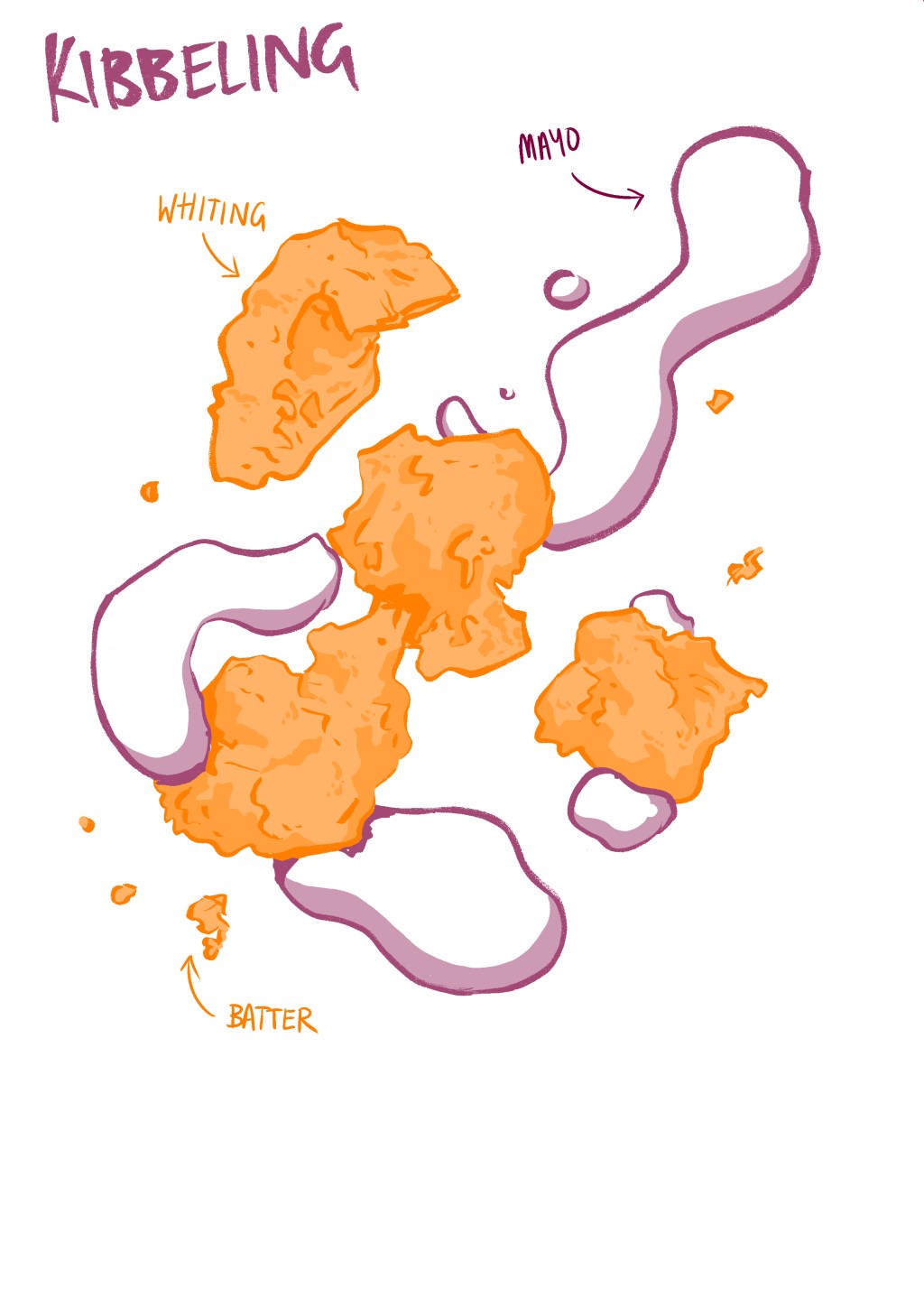
At the heart of kibbeling is a selection of white fish, typically cod or haddock. The fish is cut into bite-sized pieces, ensuring a perfect balance between the crispiness of the batter and the tender, flaky interior of the fish. The use of white fish not only imparts a mild and delicate flavour but also allows the batter to shine as a complement rather than an overpowering element.
One of the key elements that sets kibbeling apart is its signature batter. The batter is a carefully crafted mixture of flour, eggs, milk or beer, and an array of seasonings. The inclusion of beer in the batter adds effervescence, contributing to the light and airy texture that envelops the fish.
Common seasonings in the batter include salt, pepper, and a hint of paprika, lending a subtle warmth to the final product. The goal is to create a coating that crisps up beautifully when fried, providing a satisfying contrast to the succulent fish within.
Frying is a crucial step in the kibbeling-making process, requiring finesse and precision. The battered fish pieces are carefully submerged in hot oil, and the magic unfolds as the batter transforms into a golden-brown shell. The result is kibbeling with a crispy exterior that gives way to a tender and flavourful interior.
This artful frying process not only creates the desired texture but also seals in the natural juices of the fish, ensuring a delightful burst of flavour with each bite. Achieving the perfect balance between crispiness and succulence is a testament to the expertise of those who prepare this beloved dish.
Kibbeling is often served in generous portions, making it an ideal snack or meal option. It is commonly presented in paper cones or trays, perfect for enjoying on the go while exploring a Dutch market or strolling along the picturesque canals.
To enhance the overall experience, kibbeling is frequently accompanied by a selection of dipping sauces. Tartar sauce, garlic mayonnaise, or a squeeze of fresh lemon are popular choices, allowing diners to customize their kibbeling experience to suit their taste preferences.
While the classic kibbeling recipe remains a cherished favourite, regional variations and modern adaptations have emerged to add diversity to this seafood treat. Some variations incorporate additional herbs and spices into the batter, while others experiment with different fish varieties, offering new and exciting twists on the traditional dish.
In recent years, kibbeling has also found its way into culinary fusion, inspiring chefs to incorporate its elements into creative dishes that extend beyond the traditional street food realm.
Kibbeling, with its humble origins and widespread popularity, has become a symbol of Dutch culinary identity. It reflects the Dutch appreciation for seafood, the ability to elevate simple ingredients, and the cultural significance of street food in the Netherlands.
As one savours the crispy perfection of kibbeling by a canal in Amsterdam or at a bustling market in Rotterdam, it’s more than just a tasty snack – it’s a connection to the maritime heritage, the innovation of Dutch cuisine, and the communal joy derived from savouring delightful street food.
In conclusion, kibbeling is a seafood symphony that harmonizes the flavours of the North Sea with the culinary ingenuity of the Dutch. Its journey from a thrifty solution for fishermen to a cherished street food staple is a testament to the evolution of Dutch gastronomy. So, whether you’re a seafood enthusiast, a street food aficionado, or simply curious about the delights of Dutch cuisine, indulging in a portion of kibbeling promises a symphony of crispiness and flavour that encapsulates the essence of the Netherlands.
To learn more about Kibbeling and other delicious Dutch foods then you can read all about them in my Dutch Floaty Food Guide here
 Nathan Hillustration