
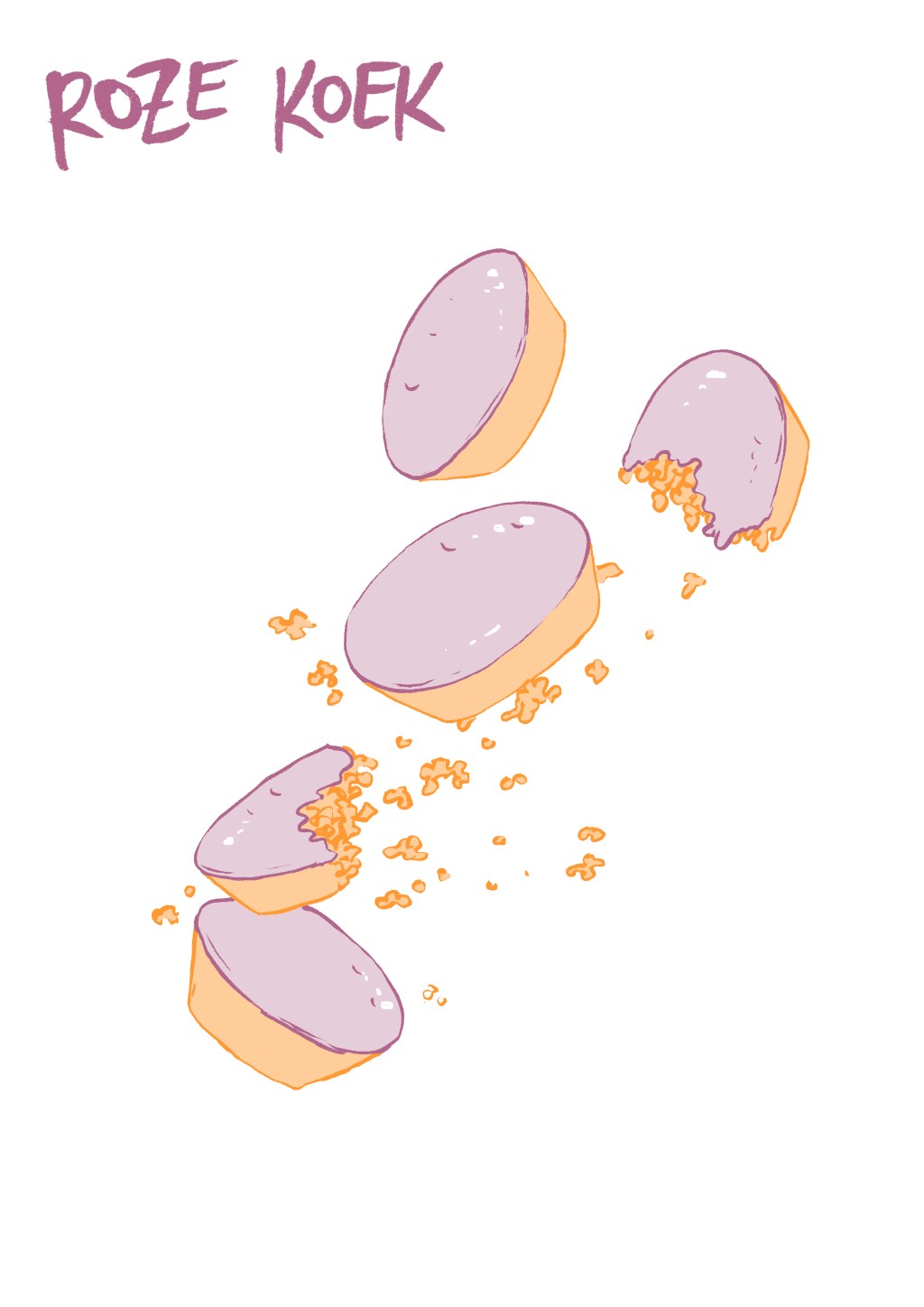
In the vibrant tapestry of Dutch pastries, roze koek emerges as a sweet and visually striking delight. Translating to “pink cake” in English, this confectionary creation has become a beloved treat, not only for its delectable taste but also for its eye-catching hue that instantly captures the imagination. Let’s delve into the world of roze koek, exploring its origins, ingredients, cultural significance, and the sheer delight it brings to those with a sweet tooth.
Roze koek has deep roots in Dutch culinary traditions, and its evolution over the years reflects the adaptability and creativity embedded in the nation’s sweet offerings. While the precise origin of roze koek is not documented, its presence in Dutch bakeries and households has become a staple, marking various celebrations and everyday indulgences.
Historically, the Netherlands has been a hub of trade and commerce, and the availability of diverse ingredients has contributed to the richness and variety of Dutch pastries. Roze koek, with its distinctive pink glaze and soft cakey texture, stands as a testament to the artistry of Dutch bakers and their ability to infuse simple ingredients with flavour and flair.
At its core, roze koek is a straightforward yet delightful creation. The base is a soft and buttery sponge cake, often flavoured with vanilla. What sets roze koek apart is its glossy pink icing, adding a layer of sweetness and a burst of colour that elevates the entire eating experience.
The pink glaze is typically made using powdered sugar, water, and red food colouring. This simple yet effective combination transforms the cake into a vibrant treat that beckons from bakery shelves and kitchen countertops.
One cannot discuss roze koek without acknowledging its visual allure. The striking pink hue of the glaze creates an immediate sense of whimsy and joy. Whether displayed in bakery windows or presented at celebratory gatherings, roze koek contributes to the overall aesthetics of Dutch pastry culture.
While roze koek is enjoyed throughout the year, its popularity often peaks during special occasions and festivals. The vibrant pink colour makes it a fitting choice for celebrations like birthdays, baby showers, or any event where a touch of sweetness and a splash of colour are welcome.
As with many traditional treats, roze koek may have regional variations that cater to local tastes and preferences. Some bakers may experiment with the sponge cake recipe, adding subtle twists such as almond flavouring or citrus zest to enhance the overall taste.
The thickness of the pink glaze can also vary, with some preferring a generous coating that adds extra sweetness, while others may opt for a thinner layer that allows the sponge cake’s flavour to shine through. These regional nuances contribute to the diverse landscape of roze koek across the Netherlands.
Roze koek is not merely a pastry; it is a companion to shared moments and cherished traditions. The act of enjoying a slice of roze koek with a cup of coffee or tea is woven into the fabric of Dutch daily life. It becomes a pause, a moment of indulgence that brings people together, whether in bustling city cafes or cosy family kitchens.
In some households, roze koek may find its place on dessert tables during festive gatherings. Its inviting pink presence adds a touch of festivity to the spread, and the act of serving roze koek becomes a gesture of hospitality and celebration.
For many Dutch individuals, roze koek is not just a treat; it carries a sense of nostalgia, particularly from childhood. The vivid pink cakes, often enjoyed as an after-school snack or a special treat during family outings, create lasting memories that resonate through adulthood.
The timeless appeal of roze koek lies in its simplicity and universal sweetness. Whether you first tasted it as a child or discovered it later in life, the bright pink confection transcends age, becoming a symbol of uncomplicated joy.
While roze koek is undeniably Dutch in origin, its charm has not gone unnoticed beyond the Netherlands. The visually striking appearance and delightful taste have caught the attention of food enthusiasts and travellers, and variations of pink-glazed cakes inspired by roze koek can be found in other parts of the world.
In some cases, international bakers may experiment with different flavours or adapt the concept of a pink-glazed cake to suit local tastes. This cross-cultural exchange speaks to the universal appeal of roze koek and its ability to transcend cultural boundaries.
In conclusion, roze koek is not just a pastry; it is a sweet slice of Dutch happiness that embodies the joy of simple pleasures and shared moments. As you savour the soft sponge cake and the glossy pink glaze, you partake in a culinary tradition that spans generations and brings a burst of colour to everyday life. So, whether enjoyed during a festive gathering, a quiet afternoon tea, or as a delightful dessert after a meal, roze koek invites you to experience the timeless sweetness of Dutch pastry—one pink-tinged bite at a time.
To learn more about Roze Koek and other delicious Dutch foods then you can read all about them in my Dutch Floaty Food Guide here
 Nathan Hillustration