
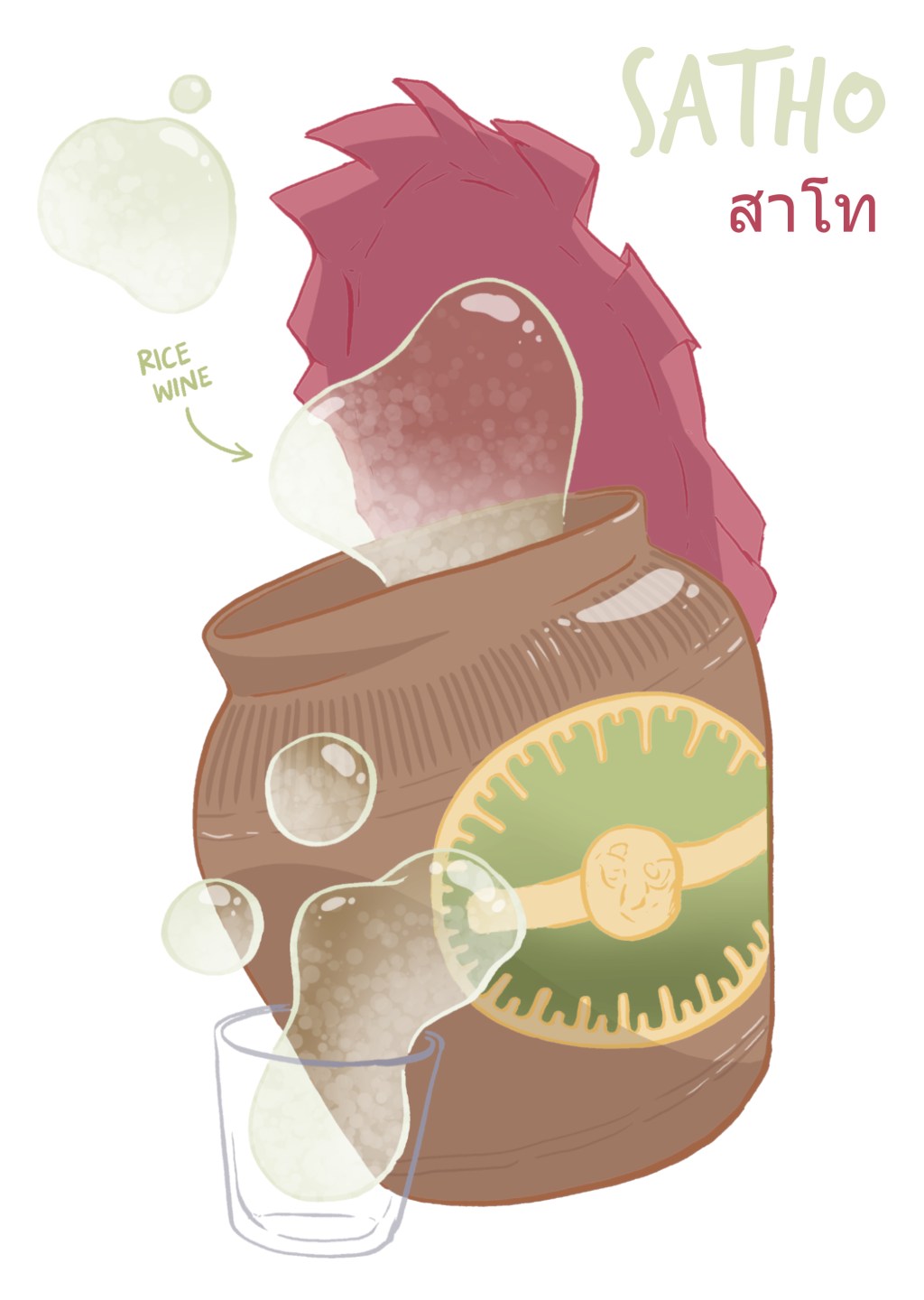
Satho, a traditional fermented rice beverage, is a unique and culturally significant drink that has been cherished by the indigenous communities of Northeast India, particularly among the Mizo and Kuki tribes. This age-old beverage holds a special place in the social and religious customs of these tribes, playing a pivotal role in their rituals, festivals, and daily life.
To create satho, the process begins with the preparation of the main ingredient – rice. Locally grown rice varieties, such as sticky or glutinous rice, are soaked in water to soften them. The rice is then steamed until it reaches a semi-cooked state. After steaming, the rice is spread out on bamboo mats or trays to cool and dry. This step is crucial to allow the rice to ferment properly.
Once the rice has cooled, it is mixed with a starter culture called “nuruk” or “jao.” Nuruk is a naturally occurring combination of fungi and bacteria that initiates the fermentation process. The nuruk is traditionally prepared by drying and fermenting a mixture of various local ingredients, such as maize leaves, banana stems, and straw. These materials are collected during specific seasons, ensuring the unique flavours and characteristics of the satho.
The mixture of rice and nuruk is then tightly packed into large earthenware pots or bamboo tubes, which serve as the fermentation vessels. The pots or tubes are covered with banana leaves and stored in a warm and dark place for fermentation to take place. The fermentation period can vary from a few days to several weeks, depending on the desired strength and flavour of the satho.
During fermentation, the nuruk breaks down the starch in the rice into sugars and produces alcohol, transforming the mixture into a mildly alcoholic beverage. The final product is a slightly cloudy and tangy liquid with a unique aroma and taste. The alcohol content of satho is typically low, ranging from 2% to 6% ABV, making it a mild and enjoyable beverage.
Satho holds cultural and ritual significance in the lives of the Mizo and Kuki tribes. It is a symbol of hospitality and camaraderie, often offered to guests and visitors as a gesture of goodwill. Additionally, satho plays a vital role in traditional ceremonies, festivals, and gatherings, where it is shared among community members to foster a sense of unity and celebration.
The process of making satho is deeply rooted in the cultural practices of the Mizo and Kuki tribes. It is passed down from one generation to another through oral traditions, ensuring the preservation of this ancient beverage-making art. The knowledge of selecting the right ingredients, determining the appropriate fermentation period, and maintaining the unique flavours of satho is a cherished skill possessed by the elders of these communities.
In recent years, satho has gained attention beyond the local communities, drawing interest from food enthusiasts, researchers, and cultural preservationists. Efforts have been made to promote and preserve this traditional beverage, not only for its cultural significance but also for its potential economic value in supporting local livelihoods and promoting sustainable practices.
As satho continues to be celebrated and appreciated, it serves as a reminder of the rich cultural heritage of the Mizo and Kuki tribes. The practice of making satho fosters a sense of identity and pride among these indigenous communities, as they embrace their traditions and share their unique beverage with the world.
In conclusion, satho is a traditional fermented rice beverage cherished by the Mizo and Kuki tribes of Northeast India. The intricate process of making satho involves fermenting rice with a starter culture called nuruk, resulting in a mildly alcoholic and tangy drink. This age-old beverage holds cultural and ritual significance in the lives of these indigenous communities, being shared among guests, used in ceremonies, and celebrated during festivals. The preservation and promotion of satho serve as a testament to the rich cultural heritage and traditions of the Mizo and Kuki tribes, as they continue to embrace their unique beverage-making art passed down through generations.
To learn more about Satho and other delicious Thai foods then you can read all about them in my Thai Floaty Food Guide here
 Nathan Hillustration