
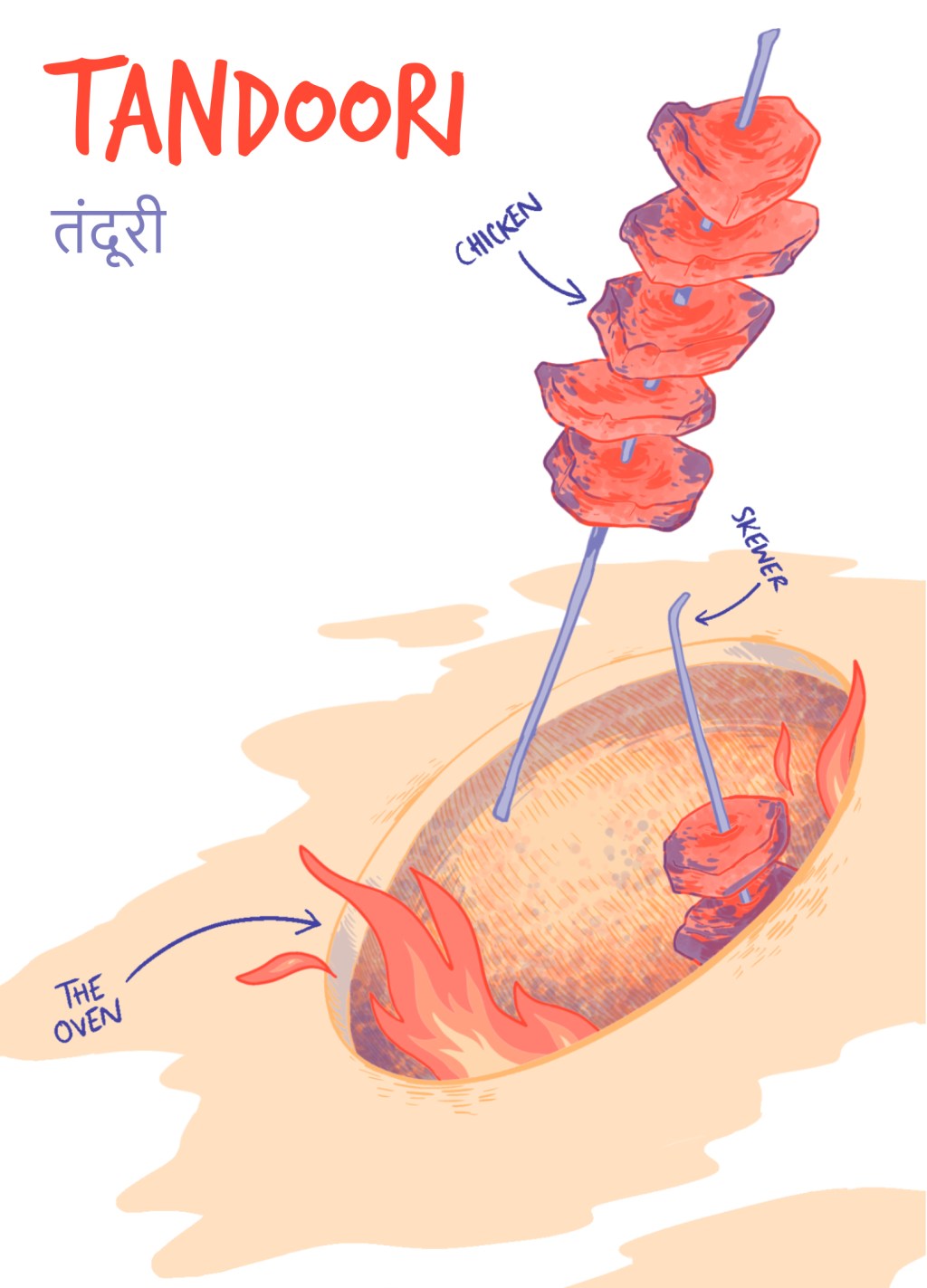
Tandoori, a culinary art that originated in the Indian subcontinent, is a gastronomic gem that celebrates the tradition of clay oven cooking and the joy of savouring tender and aromatic dishes. This ancient and iconic method of cooking is not just a technique; it is a cultural symbol that represents the rich heritage of Indian cuisine and the art of infusing flavours through the magic of tandoor.
At the heart of tandoori cooking is the tandoor, a traditional cylindrical clay oven that has been used for centuries in Indian, Pakistani, and Afghan cuisines. The tandoor is typically heated with charcoal or wood, and the intense heat reaches temperatures of up to 480°C. This high heat and the unique design of the tandoor create an environment where dishes are cooked quickly and evenly, resulting in a delightful combination of smoky and charred flavours.
Tandoori dishes are marinated in a blend of yogurt and spices, including cumin, coriander, turmeric, paprika, ginger, garlic, and garam masala. The marinade not only adds a burst of flavours to the meat or vegetables but also helps to tenderize and lock in moisture, resulting in succulent and juicy dishes.
One of the most famous tandoori dishes is Tandoori Chicken, where the chicken pieces are marinated and then skewered and cooked in the tandoor until they acquire a beautiful charred exterior and retain their juicy tenderness on the inside. The red hue of Tandoori Chicken comes from the addition of red chili powder or food colouring, which enhances the visual appeal of the dish.
Beyond Tandoori Chicken, the tandoor is used to prepare an array of dishes, including Tandoori Fish, Tandoori Lamb, Tandoori Paneer (Indian cottage cheese), Tandoori Naan (leavened bread), and many more. Each dish offers a unique combination of spices and flavours, showcasing the versatility and creativity of tandoori cooking.
The magic of tandoori lies not just in the flavours but also in the theatrics of the cooking process. The sight of skilled tandoor chefs expertly skewering marinated meats and placing them inside the clay oven, and the tantalizing aroma of the dishes as they cook in the tandoor, create an exciting and immersive dining experience.
Tandoori cuisine holds cultural significance in the Indian subcontinent, where it is a cherished part of the region’s culinary heritage. Tandoori dishes are often served at weddings, celebrations, and special occasions, where they add a touch of festivity and grandeur to the feasts.
Beyond the Indian subcontinent, tandoori has found admirers worldwide, becoming a popular option in Indian restaurants and eateries in various countries. The unique combination of flavours, the charred and smoky taste, and the exquisite tenderness of tandoori dishes have intrigued and delighted people from different cultures, making it a sought-after choice for food enthusiasts.
In conclusion, tandoori is a gastronomic gem that celebrates the tradition of clay oven cooking and the joy of savouring tender and aromatic dishes. Its use of the tandoor, the unique cylindrical clay oven, creates a delightful combination of smoky and charred flavours. Whether enjoyed as Tandoori Chicken or as a variety of other tandoori dishes, this ancient and iconic method of cooking continues to enthrall food enthusiasts with its exquisite taste and remains a cherished favourite among those who appreciate the magic of well-crafted and flavourful dishes from the tandoor.
To learn more about Tandoori and other delicious Indian foods then you can read all about them in my Indian Floaty Food Guide here
 Nathan Hillustration